When people think about emergency response, they often picture fire engines and ambulances responding to everyday incidents. However, some emergencies require far more specialized skills and equipment. Situations involving confined spaces, high angles, structural collapse, or industrial accidents often call for an emergency technical rescue service. These teams are trained to handle complex rescue scenarios that go beyond traditional emergency response.
Across Southern California, industries, construction projects, and infrastructure sites regularly encounter environments where specialized rescue capabilities may be needed. At Capstone Fire, we provide emergency technical rescue services designed to support these challenging situations with trained personnel and specialized equipment.
Understanding Technical Rescue Situations
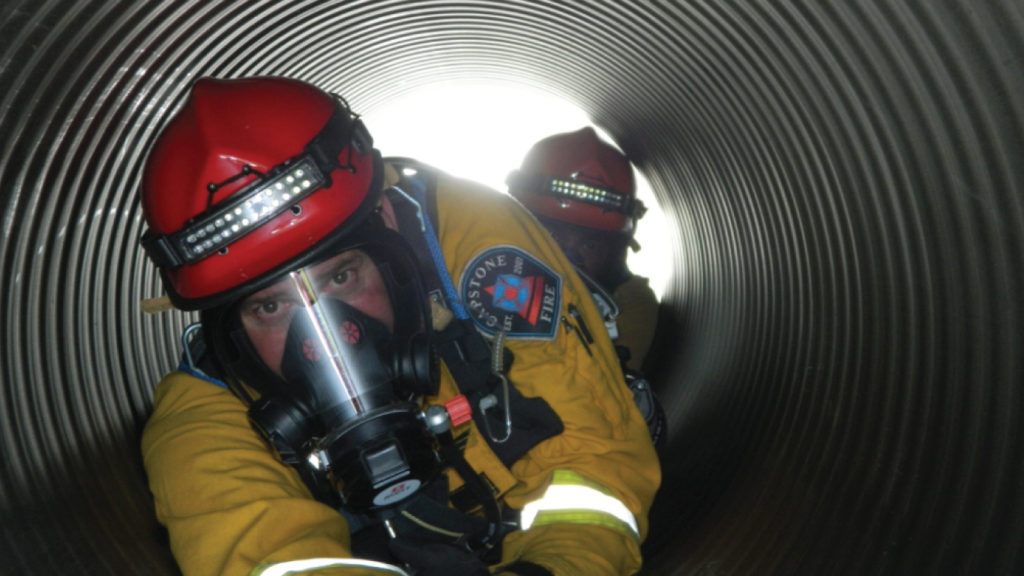
Technical rescue refers to incidents where victims are trapped or located in areas that are difficult to access. This may include workers inside tanks or vaults, individuals trapped in machinery, or people stranded on elevated structures. These environments often involve limited access points, unstable conditions, or hazardous surroundings.
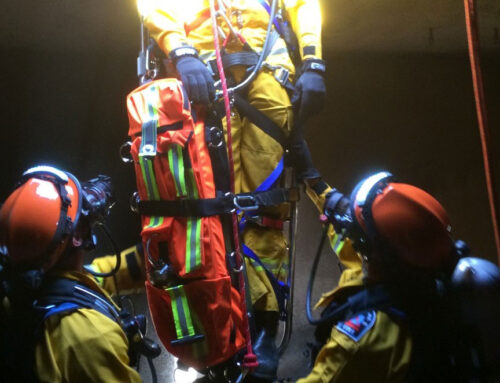
An emergency technical rescue service is designed to safely reach, stabilize, and remove individuals from these situations while protecting both the victim and the rescue team.
Types Of Technical Rescue Operations
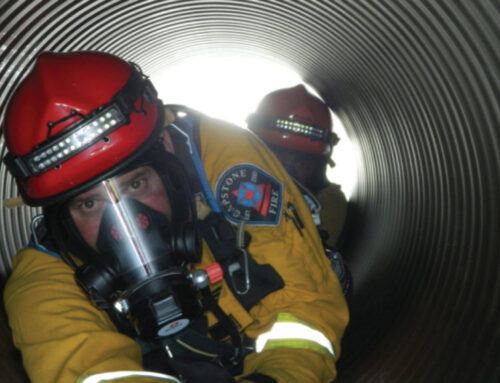
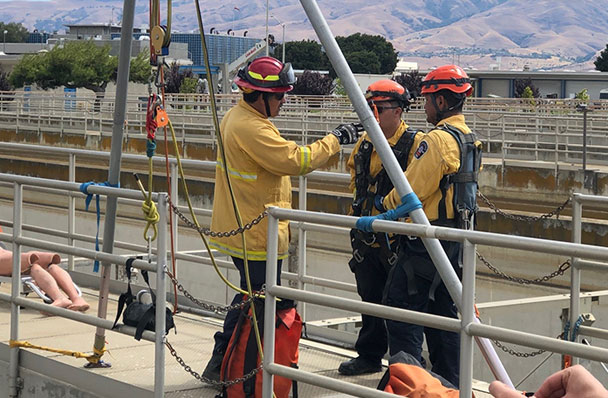
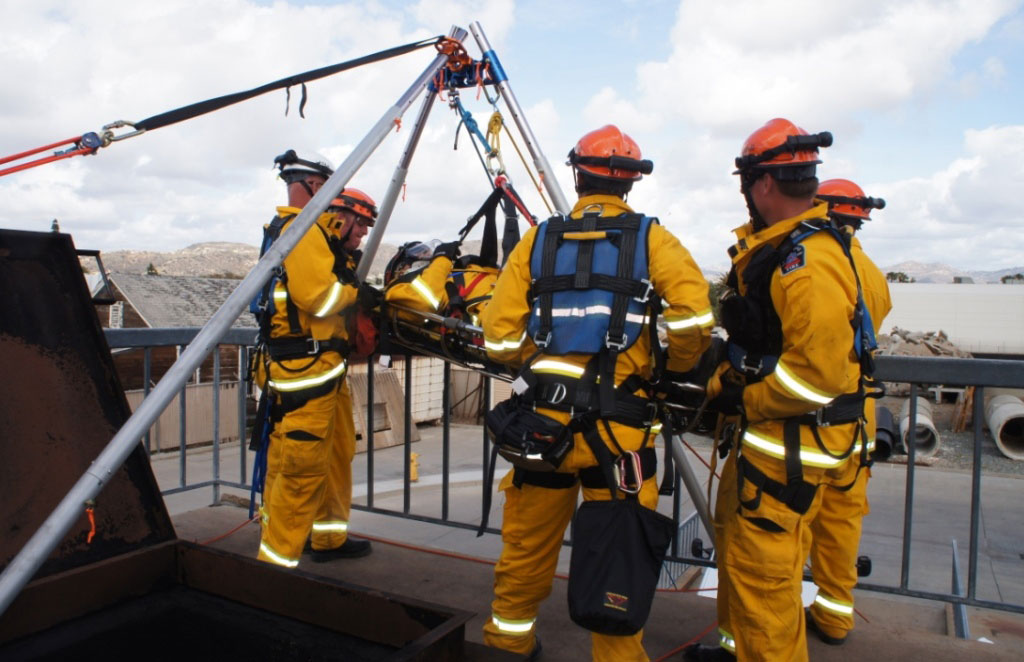
Technical rescue can take many forms depending on the environment. High angle rescues may involve workers stranded on towers, scaffolding, or cliffs. Confined space rescues address situations inside tanks, tunnels, or underground structures. Structural collapse scenarios may occur during construction incidents or natural disasters. Water related rescues can also fall under technical rescue when specialized equipment and training are required.
Each situation requires careful planning, communication, and the right combination of tools and experience.
Why Specialized Training Matters
Technical rescue teams receive extensive training in rope systems, rigging, confined space entry, patient packaging, and hazard management. These operations require careful coordination because the environment itself often presents risks to rescuers as well as victims.
At Capstone Fire, our teams train regularly to prepare for complex scenarios so they can respond with confidence when technical rescue support is needed.
Supporting Construction And Industrial Sites
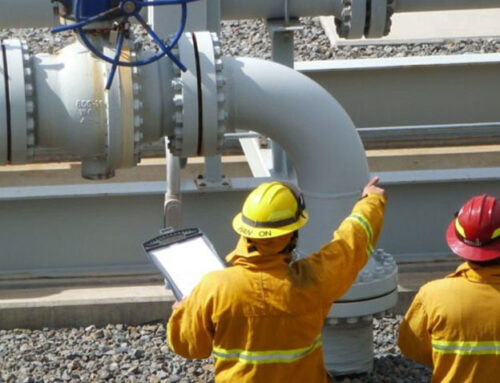
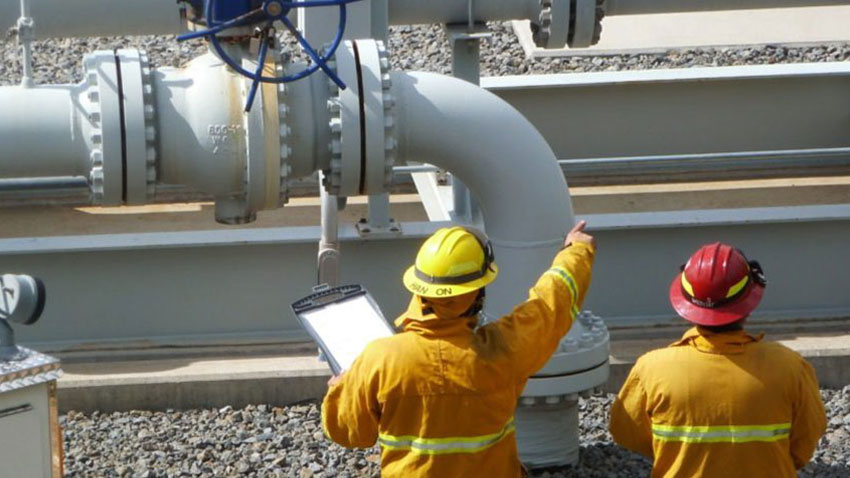
Many companies rely on an emergency technical rescue service during high risk operations. Construction sites, energy facilities, and industrial plants often require rescue plans before certain work activities begin. Having trained rescue personnel available during these operations adds an extra layer of protection for workers and helps businesses meet safety requirements.
In many cases, rescue teams are present on site or on call while work is taking place in environments where hazards may exist.
Preparing For Seasonal Work Activity
Early spring often marks the beginning of increased construction and infrastructure projects across Southern California. As outdoor work ramps up, so does the need for safety planning and rescue readiness. Emergency technical rescue services can support these projects by reviewing site conditions, identifying hazards, and standing ready if assistance is needed.
Planning ahead helps organizations reduce risk while keeping projects moving forward safely.
Coordination With Emergency Agencies
Technical rescue teams often work alongside local emergency services during major incidents. Clear communication and established response plans help different agencies coordinate their efforts. Private rescue teams can provide site specific knowledge and equipment that complements the work of public responders.
The Value Of Preparedness
An emergency technical rescue service is not only about responding to emergencies. It is also about preparation and prevention. By planning for potential hazards and having trained professionals ready to respond, organizations can create safer working environments for their teams.
Technical rescue situations may be rare, but when they occur they demand specialized expertise. With proper planning and experienced support, complex rescue operations can be handled with greater safety and confidence.